Situational Awareness for Women: How to Stay Alert Without Living on Edge
Most women don’t want to feel on guard all the time. They want to move through the world aware, not anxious. Prepared, not paranoid. Confident, not constantly scanning for danger.
That balance—between awareness and peace—is exactly what situational awareness for women is meant to provide. When it’s taught correctly, it doesn’t heighten fear. It reduces it.
What Situational Awareness Actually Is (And What It Isn’t)
Let’s clear this up first.
Situational awareness is not:
- Being suspicious of everyone
- Constantly looking over your shoulder
- Living in a state of tension
- Assuming the worst will happen
Situational awareness is:
- Understanding what’s normal in your environment
- Noticing when something feels out of place
- Staying mentally present instead of distracted
- Giving yourself time and options to respond
It’s subtle. It’s something women already do instinctively—often without realizing it.
Want the deeper breakdown? Read Situational Awareness for Women: How to Recognize Danger Before It Happens .
Why Women Struggle With the Concept
Many women resist the idea of situational awareness because it’s often framed poorly.
They’re told:
- “You can’t trust anyone”
- “The world is dangerous”
- “You need to be on high alert at all times”
That messaging creates anxiety, not competence.
Women don’t want to live braced for impact. They want to feel grounded—especially in everyday places like grocery stores, parking lots, gyms, and school drop-offs.
The good news? True situational awareness actually calms the nervous system. It replaces vague fear with clarity.
If you’ve ever felt yourself hesitate, there’s a reason. Read Why Women Freeze Under Stress .

Awareness Starts With Presence, Not Fear
The foundation of situational awareness is simple:
Be where you are.
Most safety issues don’t arise because women are incapable—they happen because attention is split. Phones. Multitasking. Mental to-do lists.
Presence looks like:
- Head up, eyes forward
- Knowing where exits are without staring at them
- Observing movement instead of fixating on threats
- Listening to your environment, not just your thoughts
This isn’t about scanning for danger. It’s about noticing patterns.
For a real-world example of how early cues stack up, read Pre-Incident Indicators Women Miss .
How to Stay Alert Without Becoming Hypervigilant
Here’s where many women go wrong: they think awareness requires effort. It doesn’t.
Healthy situational awareness is low effort and high return.
Try this instead:
- Notice who’s around you when you arrive somewhere—not continuously
- Clock who’s near you when you leave—not every second
- Identify exits naturally when you enter a space
- Trust discomfort without needing to justify it
You don’t need to explain why something feels off. You just need to respond early—by changing direction, leaving, or creating space.
That’s awareness doing its job.
Situational Awareness in Everyday Places Women Go
Situational awareness doesn’t mean your life changes dramatically. It means your attention does.
In parking lots:
 Walk with purpose
- Avoid drifting between cars
- Keep keys accessible without clutching them
 Walk with purpose
In stores:
- Notice who enters near you
- Avoid deep phone focus near exits
- Be aware of personal space, especially in tight aisles
In public walkways:
- Keep one ear free if wearing headphones
- Notice footsteps behind you—not to panic, but to orient
- Change sides of the street or pace if needed without apology
None of this is dramatic. It’s simply intentional.
Awareness Is a Skill—Not a Personality Trait
Some women believe they’re “just not observant.” That’s rarely true.
Awareness is a skill that improves with light, consistent practice. When women understand what to look for—and what to ignore—they stop feeling overwhelmed.
The goal isn’t to notice everything. It’s to notice enough, early enough.
And that skill carries over into:
- Better decision-making
- Reduced anxiety
- Greater confidence
- Stronger boundaries
Want to see how confidence is built in real life? Read How Women Build Confidence With Concealed Carry .
How Situational Awareness Connects to Carrying a Firearm
For women who carry—or plan to—situational awareness is foundational. A firearm is a last-resort tool, not a solution to inattention.
Women who practice awareness:
- Avoid more problems altogether
- Recognize when to disengage
- Reduce the likelihood of escalation
- Maintain control of situations long before force is required
This is why many confident women who carry say the same thing: “I haven’t needed it—but I know I could if I had to.”
That’s not luck. That’s awareness working in the background.
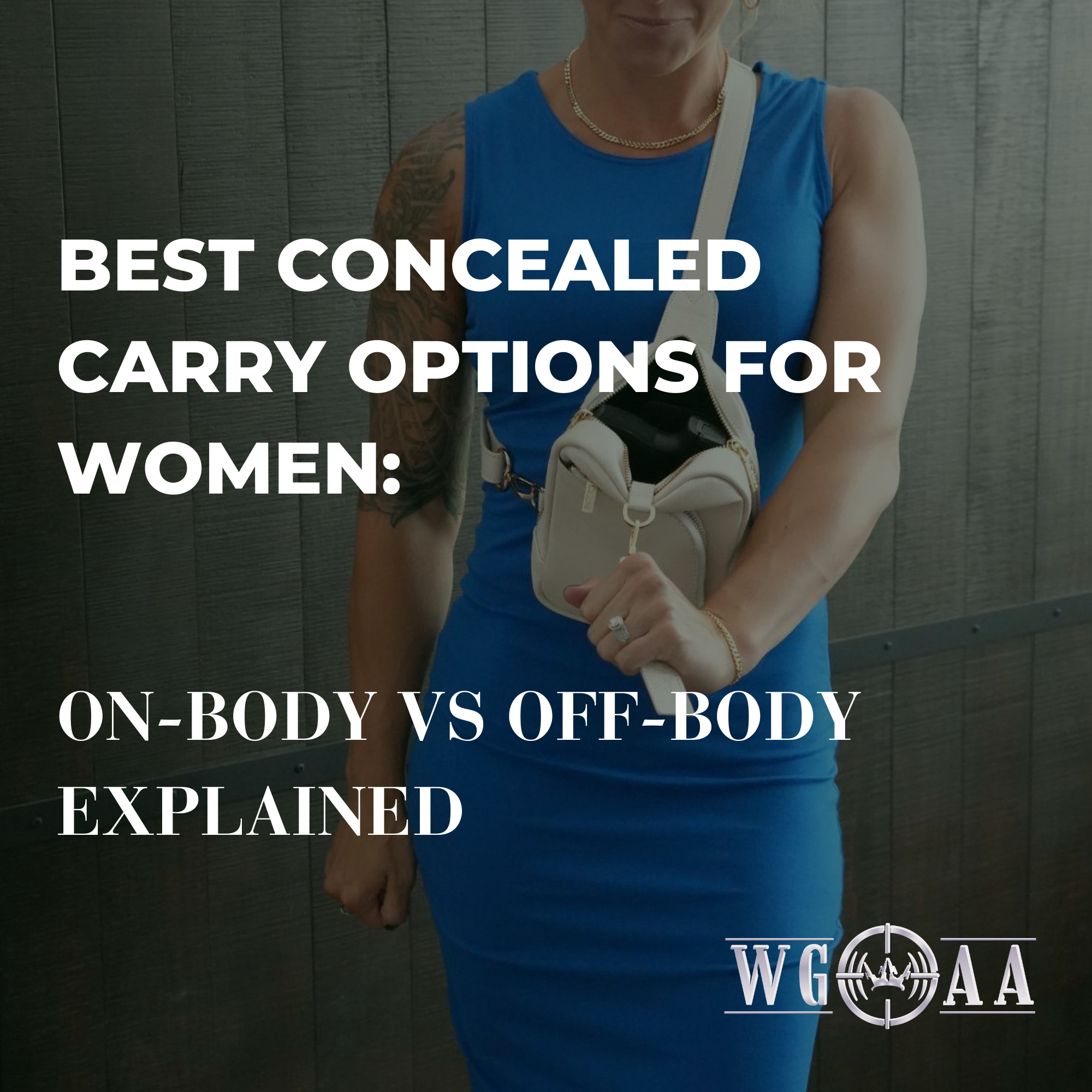
Carry choices matter too. Read Best Concealed Carry Options for Women: On-Body vs Off-Body Explained .
Awareness Without Anxiety Is the Goal
If your version of “staying alert” feels stressful, something is off.
Proper situational awareness should:
- Make you feel steadier, not jumpy
- Increase confidence, not tension
- Support intuition, not override it
- Fit seamlessly into daily life
You don’t need to rehearse worst-case scenarios. You need to stay connected to the present moment.
Where WGOAA Fits In
Women Gun Owners Association of America approaches situational awareness the same way women live their lives—with realism, respect, and restraint.
Not fear-based training. Not loud instruction. Not constant threat narratives.
Just practical education that helps women:
- Trust themselves
- Move through the world intentionally
- Build confidence that extends beyond tools
- Feel prepared without being consumed by it
Awareness is the first layer of personal safety—and often the most powerful one.